






Trece lenguas. Diez principios. Una conversación.
Iniciar sesión | Registrarse | Mailing list

The question of how best to respond to the unauthorised dissemination of copyright-protected expression over the internet has long troubled copyright owners. But the proposed solution of a Copyright Alert could potentially erode free speech, writes Graham Reynolds.

Josie Appleton talks to Pierre Nora and Olivier Salvatori of the Liberté pour l’Histoire initiative in France.

Data protection laws now touch everyone’s lives and those living within the EU are about to have their regulations updated, writes David Erdos. These proposed laws are overly restrictive: the time has come to take a stand for those working in research.

Academic ‘open access’ journals make articles freely available and the dissemination of knowledge and citation easier. However, the pace of change is slow, writes Cristobal Cobo.

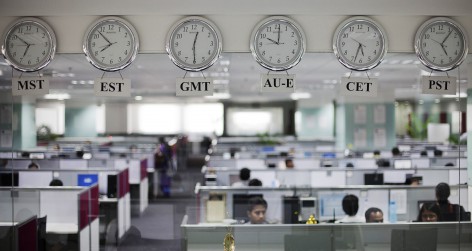
At the invitation of Index of Censorship and the Editors Guild of India, Timothy Garton Ash joins Kirsty Hughes at a panel discussion in Delhi with Shri Ajit Balakrishnan, Shri Sunil Abraham and Ramajit Singh Chima.

Peter Bradley describes a British initiative promoting free expression, public debate and active citizenship.

The world of academic publishing stands at a crossroads with public institutions demanding open access to publicly funded research. Dominic Burbidge explores the difficulties that stand in the way.

In the landmark case of New York Times v Sullivan, in 1964, the U.S. Supreme Court decided that criticism of public officials must be protected, even if some of the claims were inaccurate. Jeff Howard explains.

India has its own fierce debate about media regulation. Arghya Sengupta discusses how the shadow of the 1970s “Emergency” hangs over proposed steps from failed self-regulation to statutory regulation.

In a panel John Lloyd, T.R. Andhyarujina, Harish Salve and Daya Thussu discussed whether self-regulation can continue to remain a viable way forward for the Indian media.

Indian journalist and writer Tarun Tejpal speaks about development and corruption in India, and the role of investigative journalism.

At the World Conference on International Telecommunications (WCIT), authoritarian governments staked worrying claims. But the US-dominated model of non-governmental internet governance brings its own problems, writes Alison Powell. Beware of the Clinton Paradox.

Despite Brazil’s democratic accomplishments, laws used to regulate websites date from the 1960s, giving arbitrary power to the state. A proposed ‘Marco Civil da Internet’ has the capacity to change this, writes Marcos Todeschini.

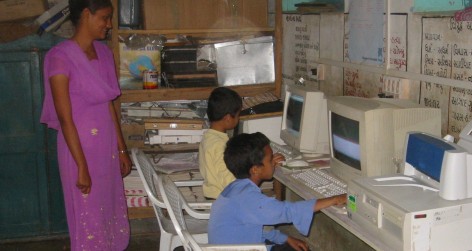
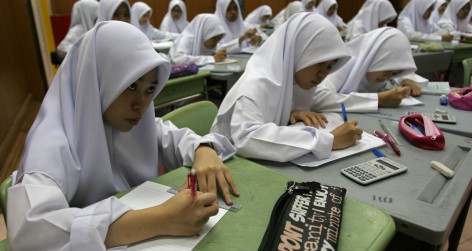
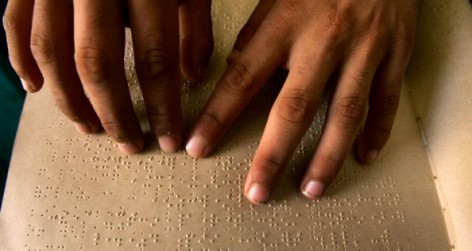
Literacy is the fundamental building block for any society of free speech, evidenced not just in grand statistics but in the lives of those most in need. Dominic Burbidge reports.

Our web developer, Simon Dickson, explains the cookies in FSD’s kitchen.

Former MI5 agent Annie Machon speaks about how the internet has made things easier and safer for whistleblowers.

Former MI5 agent Annie Machon speaks about how the intelligence services need to increase internal oversight.

Former MI5 agent Annie Machon speaks about when it is in her opinion justified and necessary to break the Official Secrets Act

While Wikileaks may be closed down, the idea and technology is in the world now.

Former British MI5 agent Annie Machon revealed, together with David Shayler, alleged criminal behaviour within the agency. In an interview with Sebastian Huempfer she speaks about the need for official channels through which whistleblowers can voice their concerns.

We regularly highlight comments that have made an impression on us. Today’s comment comes from our user Howard Hill who is challenging the validity of the idea of the project.

Josie Appleton explains how a 2005 law that permits local councils to restrict the distribution of leaflets in public spaces is hurting free speech and community life in Britain.

Should Yale University refuse to operate in Singapore where human rights and free expression face significant restrictions? Katie Engelhart weighs the arguments for and against.

In 2002 Wang Xiaoning was sent to prison for 10 years after Yahoo passed on personal information Chinese authorities used to identify him. Judith Bruhn explores a case of conflicting laws and moral expectations.

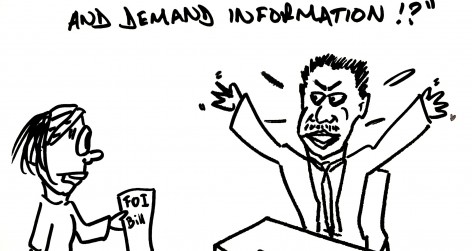
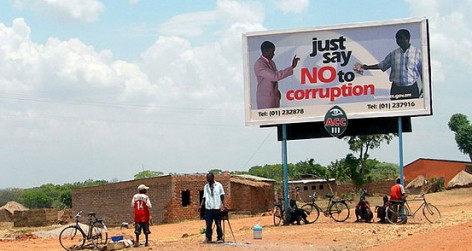
If a decade of stalled attempts to enact Zambia's Freedom of Information bill seems comical, there is underlying tragedy in how politicians have fallen short of their free speech rhetoric, writes Dominic Burbidge.

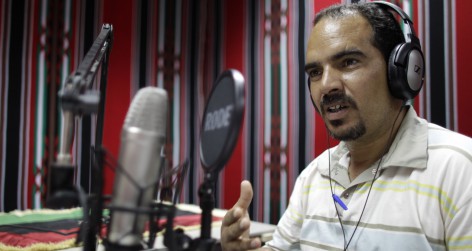
Social media and satellite television played a crucial role in the Arab uprisings, but Daoud Kuttab argues community radio must be embraced to effect positive change in the region.

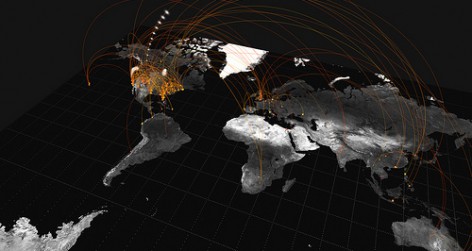
Eli Dourado provides an overview of what WCIT is and what's at stake. He co-founded WCITLeaks to bring transparency to the ITU's proceedings.

Dourado suspects only the most egregious proposals have been uploaded to WCITLeaks for fear that a mass upload could bring diplomatic backlash.

The WCITLeaks.org co-founder discusses how anonymous uploads to his website are shedding light on the upcoming World Conference on International Telecommunications.

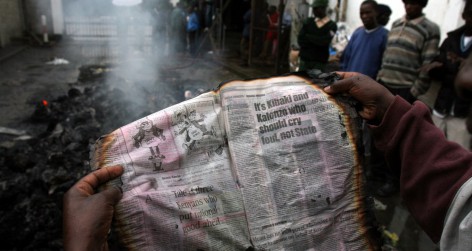
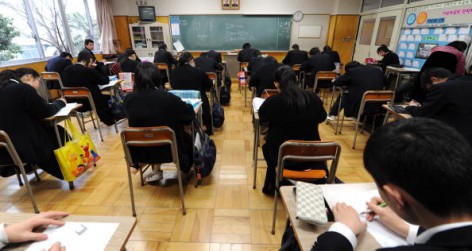
In May 2012, India's parliament withdrew a series of school textbooks that contained a political cartoon some MPs considered denigrating. Antoon De Baets discusses whether reputation, rights and public morals should ever trump educational free speech.

Open access publishing models are having a significant impact on the dissemination on scientific information but their impact on the developing world is uncertain, writes Jorge L Contreras.

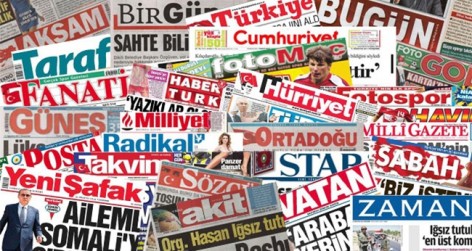
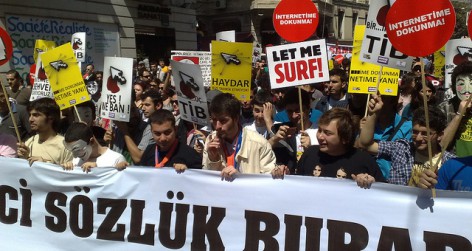
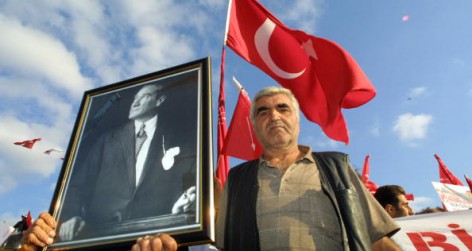
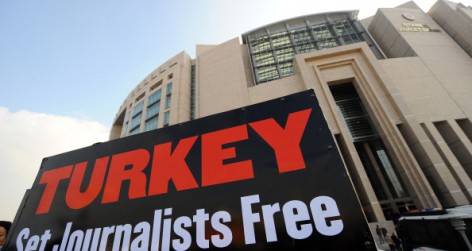
A grassroots organisation set up by journalists attempts to create positive change in Turkish media, writes Yonca Poyraz Doğan, a correspondent at Today's Zaman.

A panel of experts joins FSD Director Timothy Garton Ash at London's Frontline Club to discuss some of the world's most pressing free speech issues.

Ukrainian cultural journals have become the target of "raiders" – shady groups working on behalf of powerful interests who use bogus property claims to close down businesses, says Mykola Riabchuk.

A senior advisor to German Chancellor Angela Merkel says it is only a matter of time before a climate scientist is killed, writes Maryam Omidi.

Medical science frequently favours commercial interests over free speech, writes Deborah Cohen of the BMJ.

EU member states should reform the data protection framework to address the realities of life in the Web 2.0 age, writes David Erdos

Environmental information is tightly controlled in China despite the existence of access to information regulations, writes Sam Geall.

Killer Anders Behring Breivik's testimony should be broadcast live to deter extremism, argues Anne Ardem, executive editor at Norwegian state broadcaster NRK.

Leading free speech expert Eric Barendt defends a British parliamentary report on privacy against criticisms by campaigning journalist John Kampfner.

How the Obama administration continues use of Bush-era powers to suppress legitimate debate about the needs of US national security. By Jeff Howard.

Sandra Coliver, senior legal officer at the Open Society Justice Initiative, says the right to information is essential for freedom of expression.

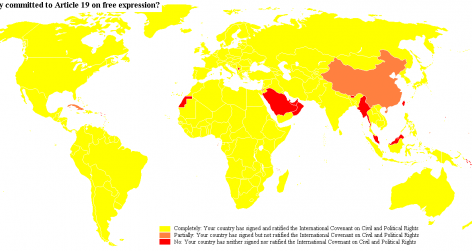
Jeff Howard explains what it means for a state to be a party to the ICCPR and how individuals can issue complaints about violations of free speech to the United Nations Human Rights Committee.