Did Tamiflu work? How can we know if we can’t find out?
Medical science frequently favours commercial interests over free speech, writes Deborah Cohen of the BMJ.
Dreizehn Sprachen. Zehn Prinzipien. Eine Unterhaltung.
Anmelden | Registrieren | Mailing Liste
Medical science frequently favours commercial interests over free speech, writes Deborah Cohen of the BMJ.
Punishing internet intermediaries for their content will have a chilling effect on free speech, says Kevin Bankston of the Centre for Democracy and Technology.
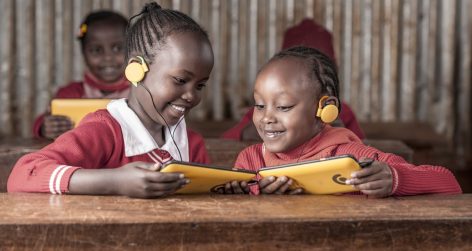
Amy O'Donnell explains how she's using text messages to help African radio stations engage their listeners on important political issues.
The new defamation bill fails to address some of the most important issues, including restrictions on the ability of corporations to sue for libel, writes Jonathan Heawood, the director of English PEN.
| 1 | Wir – alle Menschen – müssen in der Lage und befähigt sein, frei unsere Meinung zu äußern und Informationen und Ideen ohne Rücksicht auf Grenzen zu empfangen und mitzuteilen. | » |
| 2 | Wir verteidigen das Internet und alle anderen Kommunikationsmittel gegen illegitime Eingriffe von öffentlichen und privaten Mächten. | » |
| 3 | Wir benötigen und schaffen offene und vielseitige Medien, um gut informiert Entscheidungen treffen zu können und um vollständig am öffentlichen Leben teilzuhaben. | » |
| 4 | Wir sprechen offen und mit Höflichkeit und Respekt über jegliche Art von Unterschieden zwischen Menschen. | » |
| 5 | Wir tolerieren keine Tabus in unserer Debatte über Wissen und dessen Verbreitung. | » |
| 6 | Weder drohen wir mit Gewalt, noch akzeptieren wir gewaltsame Einschüchterung. | » |
| 7 | Wir respektieren die/den Überzeugte/n, aber nicht unbedingt die Überzeugung. | » |
| 8 | Wir alle haben ein Anrecht auf ein Privatleben, sollten dessen Beschränkung aber akzeptieren, wenn dies im öffentlichen Interesse ist. | » |
| 9 | Wir sollten Verleumdungen begegnen können, ohne dabei berechtigte Diskussionen einzuschränken. | » |
Haben wir etwas Wichtiges ausgelassen? Brauchen wir ein 11. Prinzip? Oder fehlt ein aufschlussreiches Fallbeispiel? Lest die Vorschläge anderer Nutzer hier, und fügt Eure eigenen hinzu.
An academic, an NGO worker, a Member of European Parliament and an activist go head-to-head on the Anti-Counterfeiting Trade Agreement.
Join Free Speech Debate and BBC Arabic at the Frontline Club in London on Tuesday 15 May for a discussion on global free speech norms.
The former director of BBC World Service admits that even the public service broadcaster has at times interpreted impartiality in a simplistic fashion.
EU member states should reform the data protection framework to address the realities of life in the Web 2.0 age, writes David Erdos.
China may provide censorship tools to autocratic regimes in Africa, but western companies still dominate this market, writes Iginio Gagliardone, a post-doctoral fellow at Oxford University.
History is a sensitive issue in China with some of it desperately remembered and some, deliberately forgotten, writes Judith Bruhn.
The declaration calls on governments, media outlets and Unesco to enhance press freedom around the world.
The distribution of knowledge on Wikipedia shows vast geographical inequalities, according to research from the Oxford Internet Institute.
French President Nicolas Sarkozy has proposed a law to punish readers of websites promoting terrorism and violence, writes Clementine de Montjoye.
Ein neues Gesetz im US-Bundesstaat Tennessee erlaubt es Lehrern, neben der Evolutionstheorie auch den Kreationismus im Schulunterricht zu behandeln, schreibt Casey Selwyn.
Join Free Speech Debate and ARTICLE 19 for a panel discussion on the impact of ACTA on the internet tomorrow!
Environmental information is tightly controlled in China despite the existence of access to information regulations, writes Sam Geall.