



तेरह भाषाएँ. दस सिद्धांत. एक वार्तालाप.
प्रवेश | पंजीकरण | मेलिंग की तालिका

Josie Appleton talks to Pierre Nora and Olivier Salvatori of the Liberté pour l’Histoire initiative in France.

Data protection laws now touch everyone’s lives and those living within the EU are about to have their regulations updated, writes David Erdos. These proposed laws are overly restrictive: the time has come to take a stand for those working in research.

Academic ‘open access’ journals make articles freely available and the dissemination of knowledge and citation easier. However, the pace of change is slow, writes Cristobal Cobo.

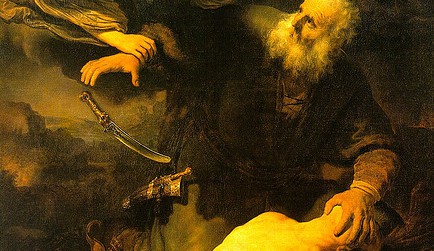
Islam, Christianity and Judaism are often accused of wanting to restrict free speech. Dominic Burbidge suggests a radically different perspective, from inside the thought-system of the Abrahamic faiths.

India has its own fierce debate about media regulation. Arghya Sengupta discusses how the shadow of the 1970s “Emergency” hangs over proposed steps from failed self-regulation to statutory regulation.

Human Rights activist Aryeh Neier speaks about the future of free speech.

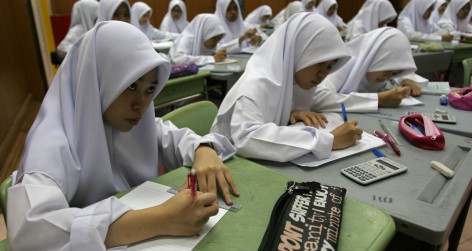
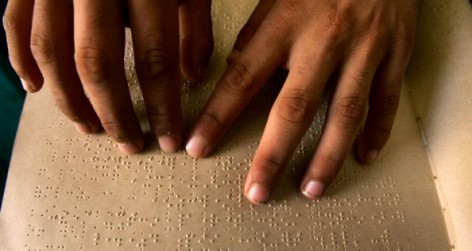
Literacy is the fundamental building block for any society of free speech, evidenced not just in grand statistics but in the lives of those most in need. Dominic Burbidge reports.

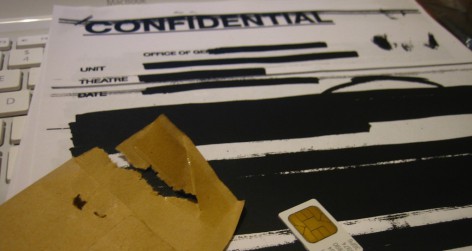
Former MI5 agent Annie Machon speaks about when it is in her opinion justified and necessary to break the Official Secrets Act

While Wikileaks may be closed down, the idea and technology is in the world now.

Former British MI5 agent Annie Machon revealed, together with David Shayler, alleged criminal behaviour within the agency. In an interview with Sebastian Huempfer she speaks about the need for official channels through which whistleblowers can voice their concerns.

We regularly highlight comments that have made an impression on us. Today’s comment comes from our user Howard Hill who is challenging the validity of the idea of the project.

Historian Khaled Fahmy describes how historic Egyptian books are more easily found in Western than in Egyptian libraries - and how a scholarly history of the Middle East was recently banned from entering Egypt.

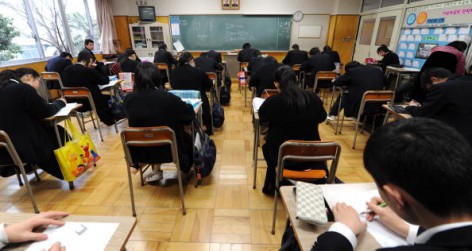
In May 2012, India's parliament withdrew a series of school textbooks that contained a political cartoon some MPs considered denigrating. Antoon De Baets discusses whether reputation, rights and public morals should ever trump educational free speech.

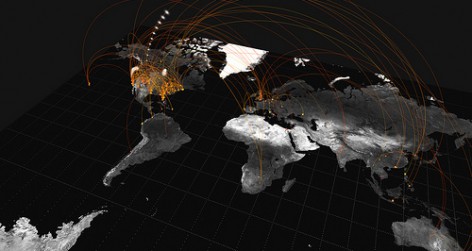
Scott A Hale explores the effect of language in seeking and imparting information on the broader web.

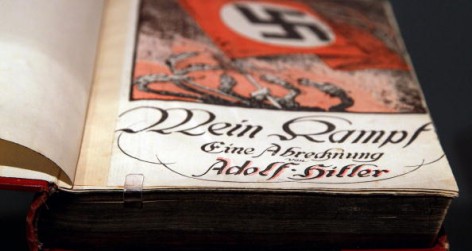
The German comedian Serdar Somuncu recites extracts from Mein Kampf to highlight the absurdity of Hitler’s propaganda, writes Sebastian Huempfer.

A history textbook underplaying Japanese imperialism caused controversy domestically and internationally, write Ayako Komine and Naoko Hosokawa.

Open access publishing models are having a significant impact on the dissemination on scientific information but their impact on the developing world is uncertain, writes Jorge L Contreras.

"Stretch friends" - individuals who are outside of your social circle online - will help break down cultural barriers.

To mark the launch of the St Antony's International Review, a panel of experts discuss Ushahidi technology, academic journals in Latin America and the geographies of the world's knowledge.

A senior advisor to German Chancellor Angela Merkel says it is only a matter of time before a climate scientist is killed, writes Maryam Omidi.

How the Obama administration continues use of Bush-era powers to suppress legitimate debate about the needs of US national security. By Jeff Howard.

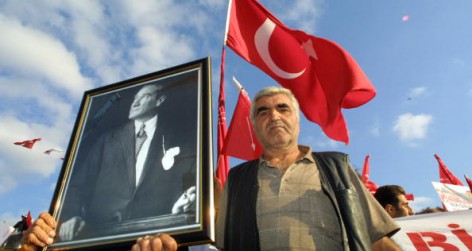
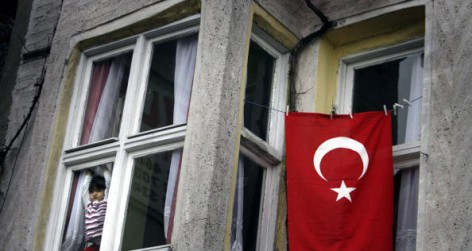
A documentary depicting the Turkish Republic’s founder, Kemal Atatürk, as a "drunken debaucher" was seen as an attack on "Turkishness", write Irem Kok and Funda Ustek.

Professor Ayşe Kadıoğlu of Sabancı University speaks of her experience growing up in Turkey where taboos, many imposed by law, have trapped citizens "in a state of immaturity".

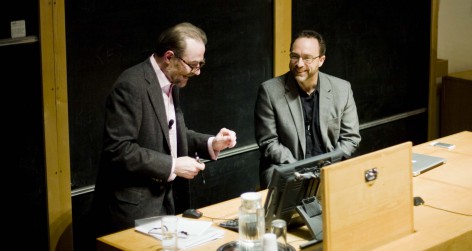
For those of you who missed it first time round, here's Timothy Garton Ash, director of Free Speech Debate, speaking to the Wikipedia co-founder, a day after the encyclopedia's English pages were blacked out in protest against two anti-piracy bills in the US. They talk about SOPA and PIPA, the controversial Muhammad cartoons and Wikipedia's decision to go dark.

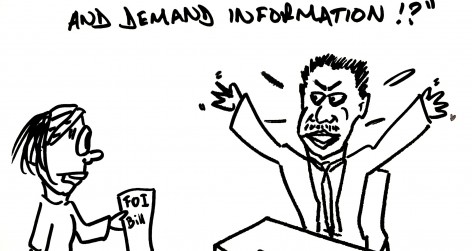
Sandra Coliver, senior legal officer at the Open Society Justice Initiative, says the right to information is essential for freedom of expression.