







तेरह भाषाएँ. दस सिद्धांत. एक वार्तालाप.
प्रवेश | पंजीकरण | मेलिंग की तालिका

We regularly highlight comments that have made an impression on us. Antoon de Baets left an insightful response to Josie Appleton's discussion of memory laws in France.

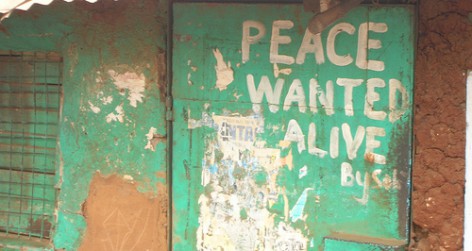
The forthcoming trial of Kenyan broadcaster Joshua Arap Sang poses vital questions about the connections between words and violence, argues Katherine Bruce-Lockhart.

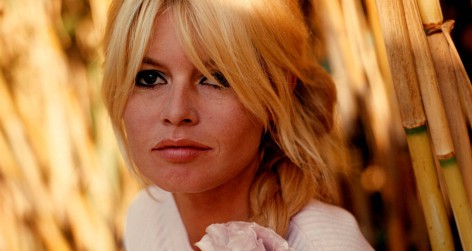
Should a world famous actress be allowed to denounce an ‘overpopulation’ by foreigners? By Michèle Finck.

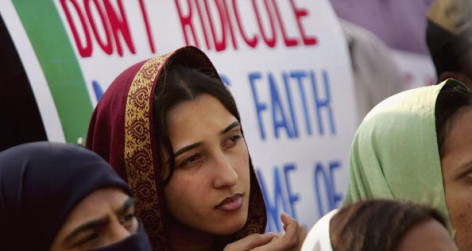
At the 2013 Jaipur Festival, Ian Buruma, Reza Aslan, Ahdaf Souief and Timothy Garton Ash, in conversation with Shoma Chaudhury, talk about the relationship between religion and politics and how to deal with religious threats to free speech.

At the invitation of Index of Censorship and the Editors Guild of India, Timothy Garton Ash joins Kirsty Hughes at a panel discussion in Delhi with Shri Ajit Balakrishnan, Shri Sunil Abraham and Ramajit Singh Chima.

Human Rights activist Aryeh Neier speaks about the future of free speech.

Robert Simpson suggests a way to distinguish between harm and offence.

The online campaign Nothing Holy About Hatred takes a faith-based approach to combat homophobia. But, Brian Pellot argues, hatred is enshrined in many religious texts.

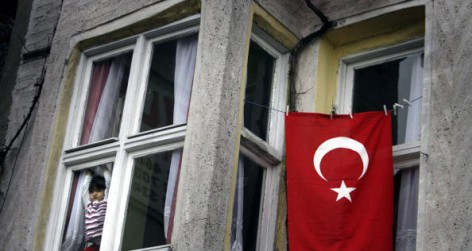
The Hrant Dink Foundation has run the Media Watch on Hate Speech project since 2009 to counter racist and discriminatory discourse in Turkish press. Project coordinators Melisa Akan and Nuran Agan explain the initiative.

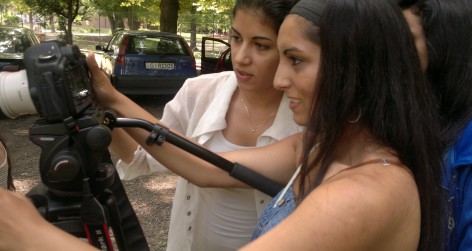
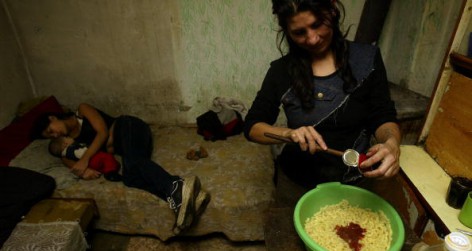
Romedia Foundation aims to disseminate an insider's view of Romani issues, empower Romani activists and challenge stereotypes through new media.

The speed and ubiquity of mobile devices have changed the context of "hate speech" online, writes Peter Molnar.

Claus Leggewie and Horst Meier explain why memory laws are the wrong way for Europeans to remember and debate their difficult pasts.

Acclaimed Turkish author Elif Shafak discusses the limits to free speech, the cosmopolitanism of her novels and the art of coexistence.

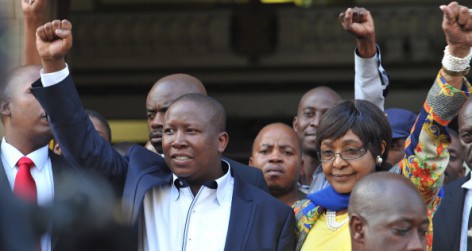
In 2011, a South African court banned the anti-apartheid song "Shoot the Boer" after ruling it hate speech, writes Nimi Hoffmann.

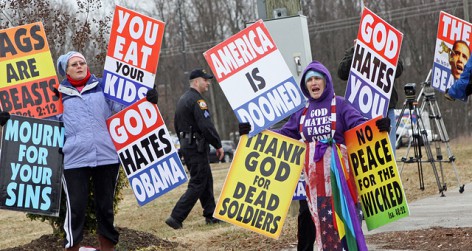
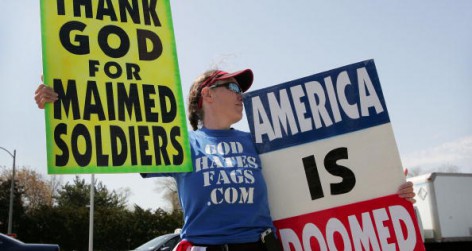
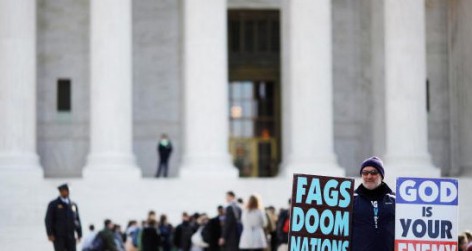
In 2011, the US supreme court ruled in favour of the anti-gay church's right to protest at military funerals, writes Casey Selwyn.

The online retailer has been criticised for profiting from ebooks featuring terror and violence. No one should tell us what to read, says Jo Glanville.

Free Speech Debate's 10 draft principles benefit those in positions of privilege and power, writes Sebastian Huempfer.

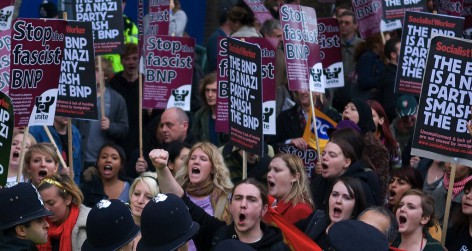
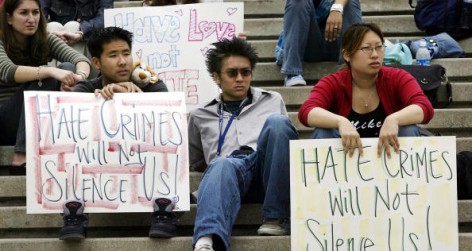
Restrictions on hate speech are not a means of tackling bigotry but of rebranding often obnoxious ideas or arguments are immoral, argues writer Kenan Malik.

Killer Anders Behring Breivik's testimony should be broadcast live to deter extremism, argues Anne Ardem, executive editor at Norwegian state broadcaster NRK.

In the first past of this debate, research fellow Kerem Öktem argues that an individual's understanding of free speech is shaped by their personal history and geography.

The director of civil liberties group Liberty calls for a review of all speech crime legislation in the UK.

Hate speech legislation chills freedom of expression more than it protects vulnerable minorities. Free speech lawyer Ivan Hare takes issue with Jeremy Waldron.

In this interview with Timothy Garton Ash, Susan Benesch, senior fellow at the World Policy Institute, makes a distinction between hate speech and dangerous speech.

"If you don't ever feel hate, you have a broken personality," says Canadian lawyer and publisher Ezra Levant.

Jeremy Waldron, professor of social and political theory at Oxford University, argues the case for legislation against hate speech

A trio of human rights experts elaborate on the definition of dangerous speech and consider how hate speech is protected both in Europe and under the first amendment in the US.

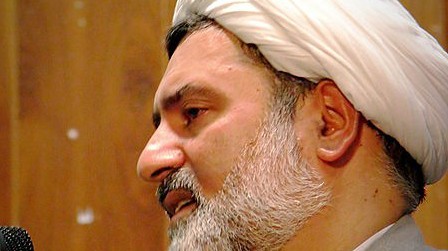
The execution of apostates should be annulled but insulting religion should be recognised as a crime, writes Iranian cleric Mohsen Kadivar.

Professor Ayşe Kadıoğlu of Sabancı University speaks of her experience growing up in Turkey where taboos, many imposed by law, have trapped citizens "in a state of immaturity".

The president of the Open Society Foundations talks about free speech as a universal aspiration, group libel and the Skokie controversy.