Free Speech Debate

Thirteen languages. Ten principles. One conversation.

Log in | Register | Mailing list

Loading...
1We – all human beings – must be free and able to express ourselves, and to receive and impart information and ideas, regardless of frontiers.»
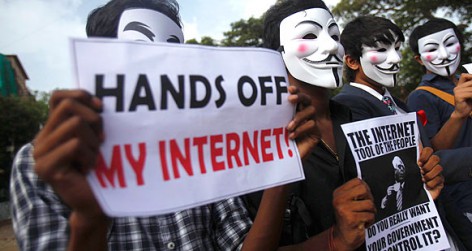
2We defend the internet and all other forms of communication against illegitimate encroachments by both public and private powers.»
3We require and create open, diverse media so we can make well-informed decisions and participate fully in political life.»
4We speak openly and with civility about all kinds of human difference.»
5We allow no taboos in the discussion and dissemination of knowledge.»
6We neither make threats of violence nor accept violent intimidation.»
7We respect the believer but not necessarily the content of the belief.»
8We are all entitled to a private life but should accept such scrutiny as is in the public interest.»
9We should be able to counter slurs on our reputations without stifling legitimate debate.»
10We must be free to challenge all limits to free expression justified on such grounds as national security, public order and morality.»

What’s missing?

Is there a vital area we have not addressed? A principle 11? An illuminating case study? Read other people's suggestions and add your own here.

Home | Audio/Video | Tim Wu on the right to be forgotten

Tim Wu on the right to be forgotten

The author of the Master Switch says that while the right to be forgotten is a good idea in theory, the reality is that it may hamper entrepreneurship in Europe.

Tim Wu, author of the Master Switch and professor at Columbia Law School, tells Free Speech Debate that while he loves the idea of a “Forget me” button, the bureaucratic burden of the right to be forgotten could result in fewer internet start-ups. “Once you have a complex regulatory scheme it tends to be the bigger, more experienced companies who understand it, who hire people to make sure they comply with it and it tends to be newcomers who are burdened with it,” he says. Ultimately, says Wu, this links to freedom of expression as newer companies tend to be agents for free speech: “Early Google, early Twitter, early radio, early telephone. It’s when they’re in their young and inspired phases for their lives that companies do better things usually.”

Read a full transcript of the interview here.

 

Print
Published on: February 20, 2012 | No Comments

Leave a comment in any language


Free Speech Debate is a research project of the Dahrendorf Programme for the Study of Freedom at St Antony's College in the University of Oxford. www.freespeechdebate.ox.ac.uk