Free Speech Debate

Thirteen languages. Ten principles. One conversation.

Log in | Register | Mailing list

Loading...
1We – all human beings – must be free and able to express ourselves, and to seek, receive and impart information and ideas, regardless of frontiers.»
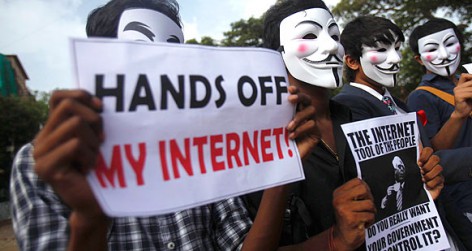
2We defend the internet and all other forms of communication against illegitimate encroachments by both public and private powers.»
3We require and create open, diverse media so we can make well-informed decisions and participate fully in political life.»
4We speak openly and with civility about all kinds of human difference.»
5We allow no taboos in the discussion and dissemination of knowledge.»
6We neither make threats of violence nor accept violent intimidation.»
7We respect the believer but not necessarily the content of the belief.»
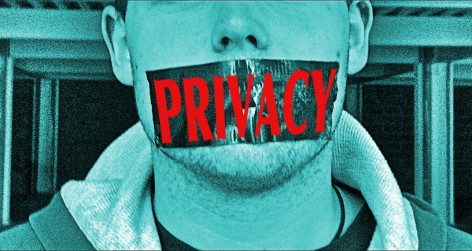
8We are all entitled to a private life but should accept such scrutiny as is in the public interest.»
9We should be able to counter slurs on our reputations without stifling legitimate debate.»
10We must be free to challenge all limits to freedom of expression and information justified on such grounds as national security, public order, morality and the protection of intellectual property.»

What’s missing?

Is there a vital area we have not addressed? A principle 11? An illuminating case study? Read other people's suggestions and add your own here. Or start the debate in your own language.

Home | Discussions | Living with difference

Living with difference

What should and shouldn't we be able to say about others? Let us know your opinions here.

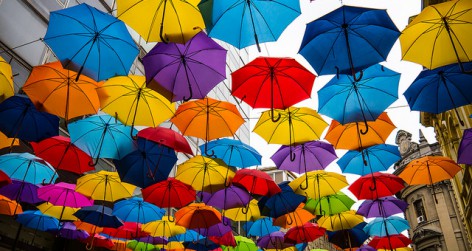
Multicultural Britain (Photo by Cate Gillon/Getty Images)

Much of the free speech literature is concerned with what we should or should not be free by law to say about how other women and men differ from us. One shorthand label used in English is “hate speech”. This is a complex, sensitive subject. Some of our advisers disagree with the argument Timothy Garton Ash has made in Principle 4. Jeremy Waldron, for example, thinks there is a much stronger case to be made for European and Canadian-style legislation. Do have a look at those contrasting views. Then add your own below.

Print
Published on: February 5, 2012 | 1 Comment

Comments (1)

Automated machine translations are provided by Google Translate. They should give you a rough idea of what the contributor has said, but cannot be relied on to give an accurate, nuanced translation. Please read them with this in mind.

  1. Carlo italia roma says:

    In una società globale intellettualmente onesta, tanto per dire qualcosa di “ottimale”, non ci si preoccuperebbe affatto di certe distinzioni tra i popoli e quelle culture diverse; ma la consapevolezza è che tutto questo risulta ancora oggi una utopia… per primi gli stessi governi nazionali sono indotti a non fidarsi, ad aprirsi… in metodi troppo esponenziali.
    Risultato? La popolazione mondiale farà sempre fatica ad accettarsi luno con l’altro.. per non parlare dei conflitti che accadono all’interno di ogni singolo Paese.
    Stiamo ancora tutti troppo indietro..rispetto alle aspettative di vita di cui ogni giorno, gli uomini e le donne, sentono sempre più di avere un certo bisogno di conoscenza dell’altro.

    Carlo Moriggi

Leave a comment in any language


Free Speech Debate is a research project of the Dahrendorf Programme for the Study of Freedom at St Antony's College in the University of Oxford. www.freespeechdebate.ox.ac.uk