Po Polsku! Our 10 draft principles translated into Polish by Maciej Stasiński of Gazeta Wyborcza

In light of the judicial changes made in Poland in 2017, which you can read about here, we invite you to read our 10 draft principles translated into Polish by Maciej Stasiński from the newspaper Gazeta Wyborcza.
Zapraszamy Państwa do zapoznania się z dziesięcioma zasadami naszego projektu, które zostały przetłumaczone na polski przez Macieja Stasińskiego (Gazeta Wyborcza).
1. Musimy być wolni i mieć prawo wyrażania opinii, otrzymywania i rozpowszechniania informacji i idei, niezależnie od granic państw.
2. Bronimy internetu i innych form komunikacji przed nieuprawnionymi ograniczeniami ze strony władz publicznych i prywatnych.
3. Potrzebne są nam i tworzymy otwarte i różnorodne media, by móc podejmować decyzje na podstawie rzetelnej informacji oraz w pełni brać udział w życiu politycznym.
4. Rozmawiamy otwarcie i w sposób cywilizowany o wszelkich różnicach między ludźmi.
5. Nie uznajemy w dyskusji ani w sferze rozpowszechniania wiedzy żadnych tematów zakazanych.
6. Nie grozimy i nie akceptujemy zastraszania.
7. Szanujemy wyznawcę religii, ale nie koniecznie treść jego wiary.
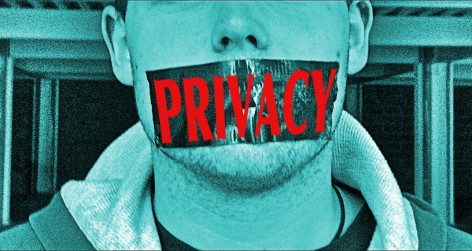
8. Wszyscy mamy prawo do prywatnego życia, ale akceptujemy wgląd na nie, jeśli tego wymaga interes publiczny.
9. Musimy mieć prawo odpierania oszczerstw pod naszym adresem, ale nie tłumienia prawomocnej debaty.
10. Mamy prawo do kwestionowania wszelkich ograniczeń swobody wypowiedzi uzasadnianych względami bezpieczeństwa narodowego, porządku publicznego czy moralności.
Przeczytaj rozmowa z Timothym Gartonem Ashem tutaj: http://bit.ly/U5BVUD
Free Speech Debate is committed to reaching as many of you online as we can. Our content is already translated into 13 of the languages most commonly used on the internet: see the language settings at the top of the page. If you would like to translate the 10 draft principles and comment on them in your language, please go ahead – and let us know.